
The 5 Wounds That Prevent You from Being Your True Self
Understanding emotional wounds to reconnect with who you are.
Why do certain situations affect us so deeply?
Why do we sometimes react strongly to criticism, rejection, disappointment, or perceived unfairness?
Why do we repeat the same relationship patterns even when we genuinely want things to change?
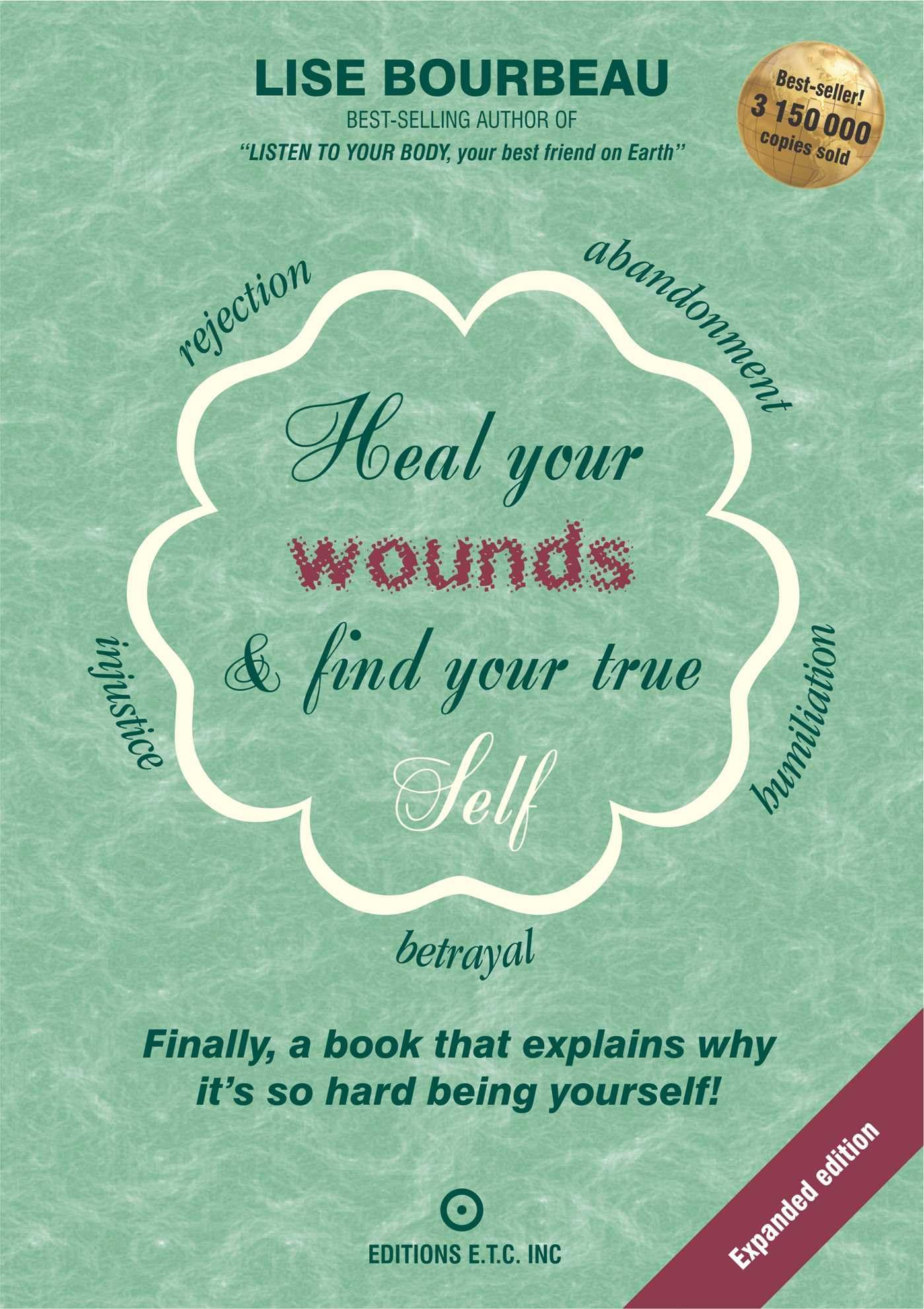
In her bestselling book Heal Your Wounds and Find Your True Self, Lise Bourbeau explains that many emotional struggles originate from five core wounds developed during childhood.
These wounds do not define who we are, but they often influence our behaviors, decisions, self-perception, and relationships until we become aware of them.
Recognizing these patterns is an important step toward greater freedom, authenticity, and personal growth.
The Five Emotional Wounds and Their Protective Masks
To protect ourselves from emotional pain, we unconsciously develop coping mechanisms that Bourbeau describes as “masks.”
These masks help us avoid suffering, but they can also prevent us from fully expressing who we truly are.
The Five Wounds and Their Masks
The Wound of Rejection and the Mask of the Escaper
The wound of rejection develops when a child feels unwanted, excluded, or unaccepted.
In adulthood, it may appear through:
- low self-confidence;
- self-doubt;
- fear of rejection;
- difficulty taking up space.
The Escaper tends to avoid conflict, withdraw from challenges, and remain unnoticed.
Healing begins by recognizing personal worth and giving yourself permission to fully exist and be seen.
The Wound of Abandonment and the Mask of the Dependent
The abandonment wound is linked to feelings of loneliness and emotional deprivation.
It often leads to:
- fear of being alone;
- emotional dependency;
- excessive need for attention;
- difficulty enjoying independence.
The Dependent constantly seeks approval, support, and reassurance from others.
Healing involves developing emotional autonomy and learning to find within yourself what you previously sought externally.
The Wound of Betrayal and the Mask of the Controller
This wound develops through experiences of broken trust, disappointment, or manipulation.
It may lead to:
- a strong need for control;
- difficulty delegating;
- impatience;
- distrust.
The Controller attempts to manage everything in order to avoid being hurt again.
Healing requires learning trust, flexibility, and acceptance of uncertainty.
The Wound of Humiliation and the Mask of the Masochist
The humiliation wound often develops when a person has been criticized, shamed, or made to feel guilty.
It may result in:
- self-sacrifice;
- difficulty receiving support;
- excessive responsibility;
- guilt when focusing on personal needs.
The Masochist often overlooks personal needs in favor of others.
Healing involves developing self-worth, respecting personal needs, and allowing yourself joy without guilt.
The Wound of Injustice and the Mask of the Rigid Person
The injustice wound often emerges in highly demanding environments where emotions are not openly expressed.
It commonly leads to:
- perfectionism;
- excessive self-discipline;
- self-criticism;
- difficulty showing vulnerability.
The Rigid Person strives to do everything perfectly and often struggles with self-compassion.
Healing involves embracing imperfection, flexibility, and emotional authenticity.
How Can You Identify Your Primary Wound?
Most people carry several wounds, but one is usually more dominant.
Useful questions include:
- What situations trigger the strongest emotional reactions?
- Which types of criticism affect me most?
- What recurring conflicts keep appearing in my life?
- How do I typically react under pressure?
- What do I fear most in my relationships?
The goal is not to label yourself but to gain greater self-understanding.
How Coaching Can Help
Coaching is not psychological therapy, nor is it designed to diagnose emotional wounds.
However, coaching can help individuals:
- identify recurring patterns;
- understand protective behaviors;
- increase self-awareness;
- strengthen self-esteem;
- challenge limiting beliefs;
- adopt healthier responses;
- build more authentic relationships.
Through reflection and action, coaching helps individuals gradually free themselves from unconscious patterns.
Sophie: Learning to Trust
Sophie is an entrepreneur who struggles to delegate.
She constantly checks her team’s work, controls every detail, and feels anxious whenever she is not fully in charge.
During coaching, she discovers that many of these behaviors are connected to the wound of betrayal.
For years, she relied on the Controller mask to avoid being disappointed.
Gradually, she learns to distinguish healthy leadership from excessive control.
She experiments with progressive delegation, strengthens trust within her team, and becomes more comfortable with uncertainty.
A few months later, she feels calmer, gains valuable time, and notices that her team has become more autonomous and engaged.
Reconnecting with Your True Self
Emotional wounds do not disappear overnight.
However, once we become aware of them, they gradually lose their power to unconsciously direct our behavior.
The goal is not perfection.
The goal is greater awareness, freedom, self-acceptance, and authenticity.
AFIACOACH supports individuals, managers, executives, and entrepreneurs who want to better understand themselves, overcome limiting patterns, and develop healthier relationships with themselves and others.
Do you feel that certain fears, reactions, or relationship patterns keep repeating in your life? Let’s explore together the underlying mechanisms and help you move forward with greater confidence, balance, and authenticity.